Lillie Road upholstery cleaning West Kensington homes: a practical guide for cleaner, longer-lasting furniture
If you live near Lillie Road and your sofa, armchair, dining chairs or headboard are looking a bit tired, you are not alone. In West Kensington homes, upholstery takes a surprising amount of wear: coffee cups balanced on the armrest, muddy shoes near the hallway chair, pets claiming the best seat, and the general dust that London seems to produce without even trying. Lillie Road upholstery cleaning West Kensington homes is really about restoring comfort, freshness and appearance without damaging the fabric you already own.
This guide explains how upholstery cleaning works, why it matters in local homes, what to expect from the process, and how to decide whether professional cleaning is the right move. You will also find a checklist, a comparison table, and a straightforward FAQ section. If you are also thinking about wider home care, it can help to explore the wider services overview or read more local insight on the company blog.
Quick takeaway: upholstery cleaning is not just about making furniture look nicer. Done properly, it helps protect fabrics, improve hygiene, and extend the life of the pieces you use every day. That said, not every fabric or stain should be treated the same way. A cautious, methodical approach usually wins.
Table of Contents
- Why Lillie Road upholstery cleaning West Kensington homes Matters
- How Lillie Road upholstery cleaning West Kensington homes Works
- Key Benefits and Practical Advantages
- Who This Is For and When It Makes Sense
- Step-by-Step Guidance
- Expert Tips for Better Results
- Common Mistakes to Avoid
- Tools, Resources and Recommendations
- Law, Compliance, Standards, or Best Practice
- Options, Methods, or Comparison Table
- Case Study or Real-World Example
- Practical Checklist
- Conclusion
- Frequently Asked Questions
Why Lillie Road upholstery cleaning West Kensington homes Matters
Furniture usually gets cleaned only after it starts looking visibly dirty, but by then the grime has often settled deeper into the fibres. In a busy West Kensington home, upholstery collects body oils, dust, crumbs, pet hair, drink marks, and the odd mystery smear that nobody wants to claim. On lighter fabrics, those marks show fast. On darker fabrics, the problem is often hidden until the material starts looking dull and worn.
Homes around Lillie Road can also face a few local realities that make regular upholstery care worth doing. Many properties have a mix of compact living spaces, shared hallways, periods of daily foot traffic, and furniture that works hard because there is simply no spare room for "nice to have" items. Your sofa becomes a dining seat, the chair near the window becomes a laptop station, and the ottoman somehow ends up being a footrest for everyone except the actual owner. Truth be told, furniture in London homes often lives a full-time life.
Clean upholstery matters because it affects more than appearance. It influences how your home feels when you sit down, how fresh the room smells, and how long your furniture lasts before it starts to look prematurely aged. If you are preparing a property for guests, tenants or a sale, it can also make a very noticeable difference to first impressions. For broader local context, some readers like to pair upholstery care with carpet cleaning in West Kensington or a deeper house cleaning service so the whole room feels refreshed, not just one piece of furniture.
There is also a comfort factor people underestimate. A clean sofa is simply more pleasant to use. You notice it in the texture, in the absence of stale odours, and in the way the room feels more looked after. Small thing? Maybe. But small things are often what make a home feel good.
How Lillie Road upholstery cleaning West Kensington homes Works
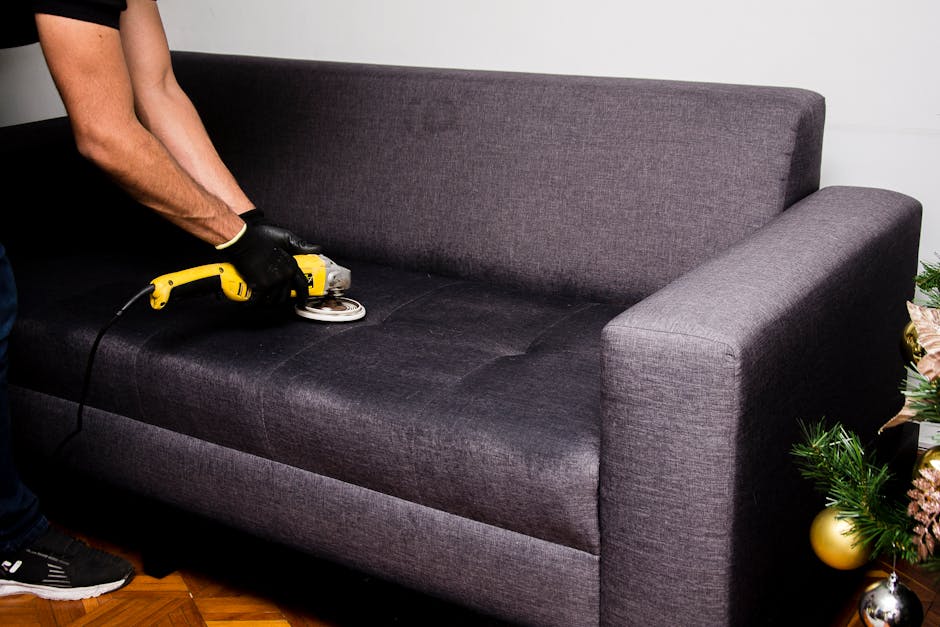
Professional upholstery cleaning is not a one-size-fits-all rinse. Different fabrics need different approaches, and a careful cleaner will usually start with identification, testing and preparation before any moisture or solution is applied. That first part matters a lot. A velvet armchair, a synthetic sofa and a delicate wool blend do not behave the same way at all.
In a typical visit, the process usually looks something like this:
- Inspection: the fabric type, condition, stains, wear patterns and any fragile trim are checked first.
- Vacuuming: loose dirt, pet hair and dust are removed from seams, creases and cushions.
- Spot testing: a small hidden area is tested to confirm how the fabric reacts to moisture or cleaning solution.
- Pre-treatment: problem areas such as food stains, body oils or drink marks are treated carefully.
- Main cleaning: the chosen method is applied, often with controlled moisture rather than saturation.
- Extraction or drying support: depending on the method, residue and moisture are removed to speed drying.
- Final check: the piece is inspected again and any missed marks are dealt with where safe to do so.
One of the most important parts of the job is restraint. A good result does not come from using the strongest product possible. It comes from using the right product, in the right amount, with the right technique. Too much water can cause wicking, slow drying or even distort some fabrics. Too much agitation can roughen the pile. And sometimes the safest answer is a lighter clean rather than an aggressive one.
Professional upholstery cleaning in West Kensington homes is often combined with related services, especially where there are rental changes, family homes, or a full refresh after renovation. If you are comparing service scopes, the upholstery cleaning West Kensington page is a useful place to start, and so is domestic cleaning in West Kensington if you want a broader clean around the furniture rather than the furniture alone.
Key Benefits and Practical Advantages
There are plenty of reasons people book upholstery cleaning, but the best ones are practical. Yes, it makes furniture look better. More importantly, it helps the furniture perform better in the home.
- Improved appearance: faded-looking fabric often regains a fresher, more even look.
- Better hygiene: dirt, dust and everyday buildup are reduced.
- Odour removal support: stale smells from cooking, pets or general use can be reduced.
- Fabric protection: removing dirt can help prevent fibres from wearing down too quickly.
- More comfortable living: clean upholstery simply feels better to sit on.
- Useful for move-outs and viewings: a fresh sofa or chair can improve the feel of a property.
There is a subtle but real benefit many homeowners notice only after the clean: the whole room can seem brighter. Upholstery takes up a lot of visual space. When it is dull or marked, it drags the room down. When it is clean, the rest of the room tends to look more considered, even if you have not changed anything else. Funny how that works.
For residents who also manage offices or smaller workspaces from home, clean seating can support a more professional feel. It is one reason some people who arrange regular office cleaning in West Kensington also keep soft furnishings in good order at home. Not because everything must be spotless, but because a clean environment is easier to live in and easier to explain to visitors.
Who This Is For and When It Makes Sense
Upholstery cleaning makes sense for a wide range of households, but some situations benefit more than others. If you are unsure whether now is the right time, think about how the furniture is used rather than just how it looks.
It is especially useful if you:
- have children, pets or both
- live in a compact flat where furniture gets heavy daily use
- have a light-coloured sofa that shows marks quickly
- are moving in or out of a property
- are preparing for guests, photographs or viewings
- notice odours even after regular vacuuming
- have tried gentle spot cleaning but the stain has spread
- want to prolong the life of a decent sofa or chair rather than replacing it early
It also makes sense after specific events. A birthday party, a wine spill, muddy winter weather, pet accidents or an overlooked food stain can all leave upholstery looking tired in a way that regular tidying will not fix. If you have recently hosted a gathering, you may also find the article on popular party spots in Kensington surprisingly relatable, even if your own "party spot" was just the living room with snacks and a few too many jackets on the back of the sofa.
For landlords, tenants and sellers, timing matters slightly differently. A clean sofa can support a good handover, but only if it is done before the last-minute rush. If you are dealing with the wider property process, the articles on acquiring and selling Kensington homes and end of tenancy cleaning in West Kensington can help you plan the sequence more sensibly.
Step-by-Step Guidance
If you want the best result from upholstery cleaning, a little preparation goes a long way. Here is a sensible step-by-step approach for West Kensington homes.
- Identify the fabric if you can. Check care labels, manufacturer notes or purchase records. If the fabric is unknown, say so at the start.
- Assess the stains honestly. Tell the cleaner about drinks, food, pet issues, ink, makeup or any DIY cleaning you already tried. That last part matters more than people think.
- Clear access around the furniture. Move small items, cushions, throws, lamps or side tables out of the way.
- Vacuum first if requested. Some professionals handle this themselves, but pre-vacuuming can help if there is lots of loose debris.
- Agree the cleaning method. Hot water extraction, low-moisture cleaning, foam-based treatment or dry cleaning may all be discussed depending on the fabric.
- Ask about drying time. You need to know when the item will be usable again, especially if it is your main sofa.
- Keep airflow moving afterwards. Open windows if weather allows and avoid sitting on the fabric until it is properly dry.
For many homes, the actual cleaning appointment is fairly calm and straightforward. The awkward part is usually the lead-up: wondering whether a stain can be removed, whether the fabric will shrink, whether the smell will disappear, whether the cushions will dry by evening. Those are fair questions. A careful cleaner should be able to explain what is realistic before they begin.
If you are choosing a provider, the pricing and quotes page is a sensible place to understand how estimates are approached, while booking a cleaner is the natural next step once you are happy with the scope.
Expert Tips for Better Results
There are a few practical habits that make a big difference, and most of them are simple enough to remember. No fancy tricks. Just sensible care.
- Treat stains early, but gently. Blot rather than rub. Rubbing pushes the stain deeper and can damage the pile.
- Test any home product first. Even a mild cleaner can leave a ring or colour change on some fabrics.
- Rotate cushions regularly. It helps spread wear, especially on a sofa that always has one favourite seat.
- Vacuum seams and creases. Dirt collects there quietly, then turns into a gritty line over time.
- Use covers or throws carefully. They help, but they should not trap dampness or hide long-term dirt.
- Watch for sun fade. If one side of the sofa is near a window, the colour may wear unevenly.
One small but useful tip: if a fabric smells musty after cleaning, it does not always mean something has gone wrong. Sometimes it is simply still drying. The smell usually settles once airflow has done its job. Of course, if the odour lingers for days, that is another conversation entirely.
Another thing professionals often notice is that customers underestimate how much residue is left by past DIY cleaning. Soap can attract dirt if it is not properly removed. So a light, well-rinsed professional clean is often better than repeated home treatments. Less drama, better finish.
Common Mistakes to Avoid
Most upholstery damage happens because someone tried to fix the problem too quickly. It happens. A spill appears, panic sets in, and out comes the nearest bottle under the sink.
- Using too much water: this can spread the stain and lengthen drying time.
- Scrubbing aggressively: it may flatten fibres or make the stain worse.
- Ignoring fabric labels: not all upholstery can handle the same treatment.
- Mixing products: chemicals can react badly together and leave residues.
- Leaving cushions damp: trapped moisture can lead to smell or discolouration.
- Waiting too long on a stain: the longer it sits, the harder it is to treat safely.
A common mistake in West Kensington flats is trying to clean upholstery without enough ventilation. In winter, people shut everything up to keep heat in, which is understandable, but furniture then dries far more slowly. If you can, give the room some air. Even a small draught can help. Not glamorous, but it works.
Another mistake is assuming all marks are removable. Some stains are permanent or have altered the fabric itself. A reliable cleaner should say so plainly rather than promising miracles. That honesty is worth a lot.
Tools, Resources and Recommendations
For homeowners who want to maintain upholstery between professional visits, a small kit is usually enough. You do not need to build a cleaning cupboard that looks like a laboratory.
| Tool or resource | What it helps with | Best use |
|---|---|---|
| Upholstery attachment on a vacuum | Dust, crumbs, pet hair | Weekly or fortnightly maintenance |
| Microfibre cloth | Blotting fresh spills | Immediate response to accidents |
| Soft brush | Loosening surface dust | Gentle fabric care |
| Fabric care label | Guidance on allowed methods | Before any treatment |
| Professional upholstery cleaner | Deeper soil removal and stain treatment | Periodic restorative cleaning |
If you want to understand the company behind the service, the about us page can help set expectations, and the insurance and safety information is worth reading before any in-home service. For wider policy details, some readers also check the health and safety policy and payment and security page, which is just plain sensible really.
If you are comparing services for different parts of the property, it may also be helpful to look at carpet cleaning, house cleaning, or even the broader services overview. One clean often leads neatly into another.
Law, Compliance, Standards, or Best Practice
For upholstery cleaning in UK homes, the main "compliance" concerns are less about legal red tape and more about safe, responsible practice. That still matters. Good providers should work with appropriate care around chemicals, ventilation, fabric testing and the safe use of equipment in your home.
Best practice usually includes:
- checking the fabric before treatment
- using suitable products for the material and stain type
- avoiding over-wetting
- protecting nearby flooring and furnishings
- being clear about drying times and limitations
- handling the work in line with common safety expectations for domestic premises
If you have allergies, sensitivities or young children at home, it is sensible to ask what products are being used and whether there are any precautions you should take. That is not being difficult. It is just good housekeeping. Same goes for access, pets, parking, and whether any hoses or extraction equipment will need a route through the home.
The provider's published policies can also matter. Before booking, it is worth reviewing relevant pages such as terms and conditions, the complaints procedure, and the accessibility statement. These are not exciting reads, granted, but they tell you a lot about how the business works.
And for anyone mindful of ethical business practices, the modern slavery statement and privacy policy are also useful trust signals. Small details, yes, but they matter when a company is coming into your home.
Options, Methods, or Comparison Table
Different upholstery fabrics and situations call for different cleaning approaches. The best choice depends on the material, the level of soiling, and how quickly you need the furniture back in use.
| Method | Best for | Pros | Watch-outs |
|---|---|---|---|
| Hot water extraction | Many synthetic fabrics and general soil removal | Deep cleaning, good for embedded dirt | Not suitable for all delicate fabrics; drying time matters |
| Low-moisture cleaning | Lightly to moderately soiled furniture, quicker turnaround | Faster drying, less water use | May not be ideal for heavy staining |
| Foam or encapsulation methods | Surface-level dirt and maintenance cleans | Controlled application, useful for some fabrics | Needs proper technique to avoid residue |
| Dry cleaning methods | Delicate fabrics that cannot tolerate water | Lower moisture risk | Not always suitable for deep-set grime |
A practical way to think about it: the best method is the one that gets the furniture clean without creating a new problem. That sounds obvious, but it is exactly where rushed jobs go wrong. If a cleaner seems eager to treat every sofa the same way, that is a slight red flag.
For homes in and around Lillie Road, where furniture may be used heavily and space can be tight, drying time often influences the decision just as much as stain removal. If the sofa is your main evening seating, a method that leaves it damp all day may be a poor fit, even if the clean itself is excellent.
Case Study or Real-World Example
Here is a realistic example, based on the kind of job that often comes up in West Kensington homes.
A family living near Lillie Road had a fabric three-seater sofa that had picked up everyday marks over time: food spill shading on one cushion, pet hair in the seams, and a faint stale smell from the colder months when windows stayed shut. They had already tried a supermarket upholstery spray, which made one patch look lighter but also left a visible tide mark around the edge. Not ideal.
The cleaner began with inspection, tested the fabric, and chose a controlled low-moisture method rather than soaking the piece. The main aim was to remove general soiling and soften the stain edges without over-wetting the foam beneath. Cushions were handled one by one, and the seams were treated carefully because that is where dirt had gathered most heavily. The family also opened a window on and off during the afternoon to improve airflow. Simple, but effective.
The result was not "brand new", because that would be unrealistic. But the sofa looked lighter, smelled fresher and felt more inviting to sit on again. The family kept the same sofa they already liked, which is often the real win. Less waste, less hassle, better use of the furniture you have.
That kind of job is common in domestic settings, especially when the aim is practical improvement rather than perfection. And to be fair, that is often exactly what people want.
Practical Checklist
Before booking or carrying out upholstery cleaning, work through this checklist. It keeps things calm and avoids the usual little surprises.
- Check the fabric label or manufacturer guidance
- Identify the main stains or problem areas
- Decide whether you need spot cleaning or a full clean
- Move small items away from the furniture
- Confirm access, parking and any building entry details if relevant
- Ask about drying times and ventilation advice
- Let the cleaner know about pets, allergies or sensitivities
- Read the provider's service pages and policies
- Plan where people will sit while the furniture dries
- Keep a simple photo record if the item is being cleaned for a move-out or tenancy handover
Useful note: if you are combining upholstery cleaning with a wider property reset, it can be smart to book it alongside end of tenancy cleaning or a broader domestic clean. That saves time, and the end result usually feels more complete.
Conclusion
Lillie Road upholstery cleaning West Kensington homes is not just a maintenance task. It is a practical way to protect furniture, improve hygiene, and make your living space feel more comfortable day to day. Whether you are dealing with a stubborn mark, a tired-looking sofa, or simply want your home to feel fresher, the right approach starts with the fabric, the stain and the room's real-life use.
The best results tend to come from careful inspection, suitable cleaning methods, and a bit of common sense about drying and aftercare. Nothing flashy. Just a clean, well-handled finish that lets the furniture do its job properly again. If you are comparing your options, checking the service details and reading the policy pages can help you choose with confidence.
Get a free quote today and see how much you can save.
If you live locally and your furniture is due a proper refresh, taking the next step can feel strangely satisfying. One good clean, and the room often feels lighter straight away. Small thing, big difference.
Frequently Asked Questions
How often should upholstery be professionally cleaned in a West Kensington home?
It depends on use, fabric type and household factors like pets or children. Many homes benefit from occasional professional cleaning when visible soiling, odour or dullness starts to build up, rather than waiting for a fixed timetable.
Can all upholstery fabrics be cleaned the same way?
No. Different fabrics need different methods. Cotton, synthetics, velvet, wool blends and delicate trims may all react differently to moisture and cleaning solutions. That is why inspection and testing come first.
Will professional upholstery cleaning remove all stains?
Not always. Many stains can be improved significantly, but some marks are permanent or have already altered the fabric. A trustworthy cleaner should explain what is realistic before starting.
How long does upholstery take to dry?
Drying time varies by fabric, method and room ventilation. Low-moisture methods usually dry faster, while deeper cleaning methods can take longer. Good airflow helps a lot, especially in cooler months.
Is upholstery cleaning safe for homes with children or pets?
It can be, provided suitable products are used and the furniture is allowed to dry properly before use. If you have concerns, tell the cleaner in advance so they can advise on products and precautions.
What should I do before the cleaner arrives?
Clear the area around the furniture, remove small objects, check for any obvious stains, and if possible, find the fabric care label. It also helps to mention any previous DIY treatments, because that can affect the result.
Can upholstery cleaning help with pet smells?
Yes, it can often reduce odours that have settled into the fabric. Results depend on how deeply the smell has penetrated and whether the source of the odour has damaged the material.
Is it better to clean upholstery myself or hire a professional?
Light maintenance can be done at home, but deeper stains, delicate fabrics and valuable pieces are usually better handled professionally. That reduces the risk of over-wetting, colour loss or texture damage.
What is the difference between upholstery cleaning and carpet cleaning?
Upholstery cleaning is designed for fabric-covered furniture and often requires more careful handling because cushions, seams and mixed materials are involved. Carpet cleaning is usually more straightforward in structure, though it still needs the right method.
How do I choose a reliable upholstery cleaner in West Kensington?
Look for clear service information, sensible guidance on fabric types, transparent quoting, and useful policy pages. It also helps when the company explains limitations honestly rather than promising every stain will disappear.
Can upholstery cleaning be combined with other home cleaning services?
Yes, and that is often a smart move. Many people combine it with house cleaning, carpet cleaning or end of tenancy cleaning so the whole property feels properly refreshed rather than just one piece of furniture.
What if my sofa is antique or delicate?
Delicate or antique items need extra care and should be assessed before any treatment. In those cases, the safest approach is often a conservative clean with minimal moisture and close attention to the fabric's condition.