Health and Safety Policy for West Kensington Carpet Cleaners
 West Kensington Carpet Cleaners is committed to maintaining a safe, healthy, and well-managed working environment for employees, contractors, clients, and anyone who may be affected by our activities. This health and safety policy sets out the standards we expect across all carpet cleaning services, from initial preparation through to completion and aftercare. Our approach is based on prevention, careful planning, and consistent attention to risk reduction. We believe that safe working practices are essential to delivering a professional carpet cleaning service and protecting the wellbeing of everyone involved.
We recognise that carpet cleaning can involve a range of hazards, including the use of cleaning solutions, electrical equipment, wet surfaces, manual handling, and work in occupied premises. For that reason, all staff are expected to follow clear procedures and use appropriate controls at all times. The company will provide training, supervision, and equipment that support safe performance. We also expect every worker to take personal responsibility by remaining alert, reporting concerns promptly, and acting with care throughout the job.
Our policy applies to all operational tasks carried out by West Kensington Carpet Cleaners, including domestic and commercial visits, stain treatment, deep cleaning, and equipment transport. It also applies to subcontractors where they are engaged to support our work. Safety is not treated as a separate task; it is built into planning, scheduling, communication, and service delivery. This means that risk assessments, safe systems of work, and ongoing monitoring are used to ensure that standards remain consistent.  Every assignment should be completed without exposing people to avoidable harm.
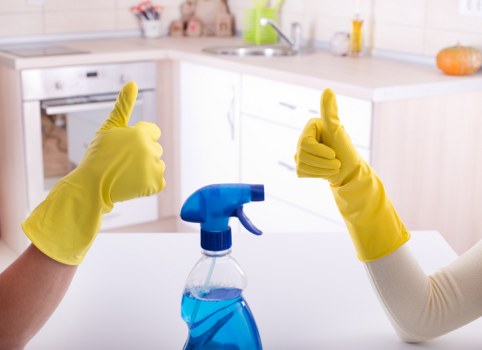
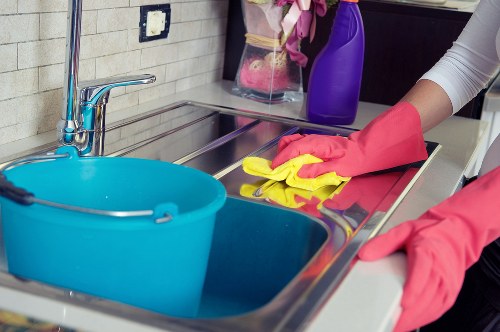
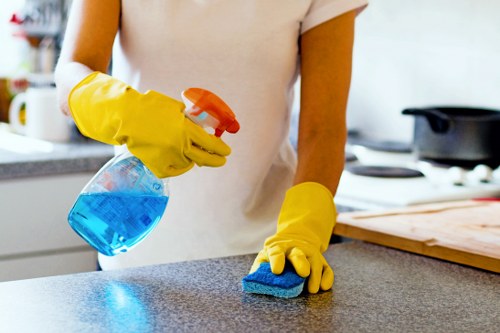
We will assess foreseeable risks before starting work and update our approach when conditions change. Typical controls include checking that the work area is suitable, identifying slip hazards, confirming access routes, and ensuring that equipment is in good condition. Cleaning chemicals must be stored, handled, and used according to manufacturer instructions and relevant safety data. Workers should wear suitable personal protective equipment where required, such as gloves, non-slip footwear, or eye protection. We also expect careful selection of products to reduce unnecessary exposure to irritants or strong odours.
Manual handling is another key concern in carpet cleaning operations. Equipment, water containers, and machines may be heavy or awkward to move, so staff must use correct lifting techniques and seek assistance where loads are difficult or repetitive. If a task appears unsafe, it should be paused until the hazard is controlled. We aim to reduce strain by choosing efficient equipment, planning routes in advance, and avoiding rushed work. Good posture, controlled movement, and proper preparation all contribute to safer carpet cleaners' working practices.
 Electrical safety is treated with particular care because portable machines, extension leads, and wet surfaces can create serious risks if not managed correctly. All equipment must be inspected before use, and any damaged item should be removed from service immediately. Leads should be positioned to avoid trip hazards and kept clear of water where possible. Residual current protection should be used where appropriate, and staff must never operate equipment with wet hands unless the task and device have been specifically controlled for that purpose. A disciplined approach helps protect both workers and clients.
Our people are expected to work in a way that respects the environment they enter. When cleaning in homes or business premises, attention should be given to occupants, furniture, pets, stock, and sensitive surfaces. Areas should be kept as tidy as possible, and warning signs or barriers should be used when floors are wet or access is restricted. Housekeeping is a core part of safe working, as clutter and poor organisation increase the chance of slips, trips, and collisions. Each operative should leave the site orderly and secure.
Training is central to this policy. All staff receive relevant instruction before undertaking tasks independently, including safe use of machinery, chemical handling, emergency response, and incident reporting. Refresher training is provided when procedures change or when additional support is needed. Supervisors are responsible for monitoring compliance and encouraging a positive safety culture. We want every member of the team to understand not only what to do, but why each measure matters. Strong communication supports safer decisions and improves the quality of service.
We also maintain clear procedures for accidents, near misses, and unsafe conditions. Any injury, spill, equipment failure, or other incident must be reported as soon as possible so that action can be taken. Where necessary, work should stop until the issue has been resolved. Records help us identify patterns, improve controls, and prevent recurrence. This commitment to learning supports a safer operation over time and shows that safety management is an active, ongoing responsibility rather than a one-time task.
Risk assessment is reviewed regularly and whenever circumstances suggest that existing controls may no longer be sufficient. This includes changes in working methods, equipment, products, staffing, or the type of property being cleaned. We expect everyone involved to contribute to hazard awareness by sharing observations and highlighting anything unusual. A proactive approach allows us to respond before problems become incidents. This is especially important in a service environment where conditions can vary from one location to the next.
 Health considerations are also important. Staff should be fit for work, take suitable breaks, and report any condition that may affect safety, such as fatigue, illness, or reduced mobility. Exposure to fumes, dust, moisture, or repetitive tasks should be managed carefully. Where needed, adjustments can be made to support safe working and reduce strain. We encourage an open approach so that concerns are raised early and dealt with respectfully.
 West Kensington Carpet Cleaners expects every person working on behalf of the company to support this policy and help maintain a culture of care, diligence, and accountability. By combining planning, training, equipment checks, and responsible behaviour, we aim to protect people and deliver reliable results. This policy will be reviewed periodically to ensure it remains effective, relevant, and aligned with good practice. Safety is a shared responsibility, and we treat it as an essential part of professional carpet cleaning.