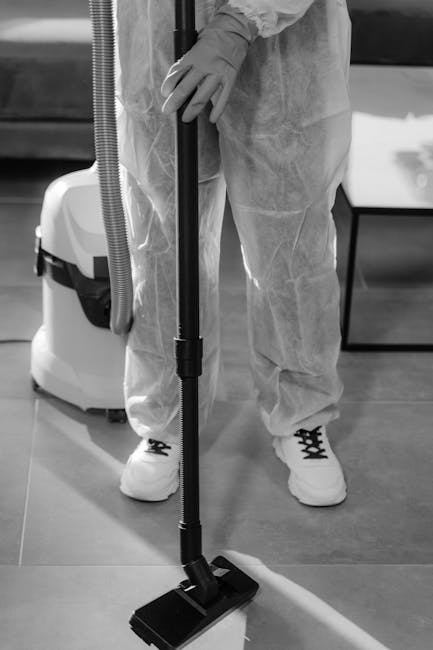
Same day emergency cleaning West Kensington what to know
If you are dealing with a spill, a sick pet accident, a burst pipe aftermath, or a last-minute landlord inspection, same day emergency cleaning in West Kensington can feel like the difference between sorting it out and watching it spiral. Truth be told, most people do not plan to need urgent cleaning. It just happens. One minute the room is fine, the next there is a stain spreading, a smell settling in, or a whole area that needs attention before guests, tenants, or colleagues arrive.
This guide explains Same day emergency cleaning West Kensington what to know in practical terms: how it works, what it can and cannot fix, how to choose the right service quickly, what questions to ask, and how to protect your flooring, upholstery, curtains, or mattress from extra damage. If you are in a rush, the details below will help you make a calm decision instead of a frantic one. And that helps more than people think.
Table of Contents
- Why same day emergency cleaning matters
- How the process usually works
- Key benefits and practical advantages
- Who this is for and when it makes sense
- Step-by-step guidance
- Expert tips for better results
- Common mistakes to avoid
- Tools, resources and recommendations
- Law, compliance, standards and best practice
- Options, methods and comparison
- Case study or real-world example
- Practical checklist
- Conclusion
- Frequently asked questions
Why Same day emergency cleaning West Kensington what to know Matters
Emergency cleaning is about more than appearance. A fresh spill can seep into carpet underlay, a pet accident can leave a lingering odour, and water or food contamination can make a room unpleasant very quickly. In a busy area like West Kensington, where flats, shared homes, managed rentals, offices, and short-let properties often run on tight schedules, a fast response can stop a small issue becoming a bigger and more expensive one.
There is also the human side. If you have ever stared at a stain for ten minutes hoping it will somehow disappear, you will know that sinking feeling. A quick professional visit can bring relief, and sometimes that matters as much as the cleaning itself. It is not just about making a carpet look neat again. It is about restoring normality.
For delicate items, urgency matters even more. Some marks set fast, especially on natural fibres or absorbent upholstery. That is why services such as stain removal, pet stain and odour removal, and upholstery cleaning are often requested at short notice. The sooner the material is assessed, the better the chance of limiting permanent damage.
Key takeaway: same day emergency cleaning is most useful when speed, containment, and careful treatment matter more than a standard deep-clean schedule.
How Same day emergency cleaning West Kensington what to know Works
The process is usually straightforward, though every job is a bit different. Most urgent cleaning requests start with a quick call or online enquiry, followed by a short description of the problem. You will normally be asked what was spilled, what surface is affected, how long ago it happened, and whether the area is safe and accessible. That first conversation helps determine whether the job is suitable for same day attendance.
Once the cleaner understands the situation, they will usually confirm the likely approach, estimated arrival window, and any preparation needed. If the issue involves carpet, the technician may bring equipment for hot water extraction or steam-based treatment. For sofas, rugs, and curtains, the method may be gentler and more targeted. Some items, such as mattresses, need extra caution because they absorb moisture quickly and can hold odours if over-wet.
It is worth saying that emergency cleaning is not always about using the most powerful method. Sometimes the best result comes from careful spot treatment, rapid extraction, and controlled drying. A well-handled stain can be far better than an over-wet patch that takes all evening to dry. Not glamorous, but true.
If you are booking through a provider with wider cleaning options, it can help to understand their normal service range too. For example, a company offering carpet cleaning, steam carpet cleaning, and sofa cleaning is often better placed to match the method to the material rather than forcing one solution on everything.
Key Benefits and Practical Advantages
Same day emergency cleaning gives you speed, yes, but the real value goes deeper than that.
- Stops damage from spreading: quick action can reduce staining, odour, and moisture penetration.
- Protects your schedule: useful before viewings, check-ins, events, or working-from-home days when the mess just cannot sit there.
- Supports hygiene: especially after food spills, pet accidents, or any contamination that makes a room feel unclean.
- Helps preserve textiles: carpets, rugs, curtains, and upholstery can all react badly if treated too late or with the wrong product.
- Reduces stress: a practical, fast response makes a very messy moment feel manageable again.
There is also a commercial benefit. If you manage a rental property, office, or visitor-facing space, delayed cleaning can affect reputation and usability. A fresh-looking reception carpet or a clean meeting chair is not just nice to have; it quietly supports trust. That is especially true for commercial carpet cleaning, where speed and minimal disruption often matter as much as the final finish.
One small but important advantage: urgent cleaning often gives you a clearer picture of what the issue actually is. Sometimes what looks like a huge stain is mostly surface damage. Other times, what looks minor has soaked much deeper than expected. Either way, you want that answer quickly.
Who This Is For and When It Makes Sense
Not every mess needs emergency treatment. Sometimes you can wait, breathe, and book a routine visit. But same day cleaning makes sense in several common situations.
- Tenants and landlords: if a move-out inspection is due, or an accidental spill has happened right before handover.
- Families with children: juice, paint, mud, food, and the occasional mystery mark. It happens.
- Pet owners: accidents on carpet, rugs, sofas, or mattresses can leave staining and lingering smell if ignored.
- Homeowners expecting guests: the classic "people are coming over tonight" scenario.
- Office managers: spillages in shared areas, reception spaces, or meeting rooms.
- Short-let hosts: when turnaround time is tight and the property needs to look right again fast.
It also makes sense when the item is awkward to clean safely on your own. Curtains, delicate rugs, and some upholstered pieces can be damaged by aggressive scrubbing. If you are unsure, it is usually wiser to pause and get advice than to start attacking the mark with the nearest bottle under the sink. We have all done the under-sink rummage. Rarely elegant.
If odour is part of the problem, you may also want to consider whether the issue is isolated or part of a broader hygiene concern. That is where focused treatments, such as mattress cleaning, rug cleaning, or targeted odour work, can save time and reduce repeat visits.
Step-by-Step Guidance
If you need urgent cleaning today, a calm step-by-step approach will help you avoid making things worse. Here is the practical version.
- Assess the problem quickly. Identify what was spilled, where it landed, and whether the item is carpet, fabric, or hard flooring.
- Blot, do not scrub. Use a clean absorbent cloth or paper towel to lift excess liquid gently. Scrubbing can spread the mark and push it deeper.
- Keep heat away unless you are sure. Hot water, hairdryers, or steam from the wrong source can set certain stains. A bit counterintuitive, but there it is.
- Make the area accessible. Move small items and clear a path so the cleaner can work quickly.
- Explain the timeline honestly. Say when the incident happened and whether anything has already been applied. This helps the technician choose the right treatment.
- Ask about drying time. If you need the room back the same evening, say so upfront. Drying expectations matter.
- Follow aftercare instructions. Avoid heavy foot traffic, keep pets away, and do not re-treat the area unless advised.
If the issue involves an obvious patch of staining on carpet, a professional may recommend a focused treatment first, then broader cleaning later if needed. That is normal. Not everything needs a full room overhaul, and over-cleaning can be just as unhelpful as under-cleaning.
For a good, balanced approach, many people start by asking about pricing and quotes before confirming the appointment. That keeps expectations clear and avoids awkward surprises when time is already tight.
Expert Tips for Better Results
Same day jobs are all about smart decisions. Small choices can have a big effect, especially in the first hour or two.
- Act fast, but gently. Fast does not mean rough. Gentle blotting beats frantic scrubbing every time.
- Test any household cleaner in a hidden spot. Colour loss and fibre damage are real risks.
- Be careful with mixed materials. A sofa may have several fabric types, each responding differently.
- Tell the cleaner if there are pets, children, allergies, or breathing sensitivities. That can influence product choice and drying guidance.
- Take a quick photo before treatment. This can help you compare progress and keeps things clear if the stain has changed shape.
- Ask what method they plan to use. Whether it is steam, low-moisture treatment, or specialist stain work, you should know the basics.
One more thing: if you are dealing with odour, not just visible staining, the source matters. Surface spray might make a room smell better for an hour, but deep odour in a mattress or carpet underlay needs proper treatment. That is where a more precise service plan really earns its keep.
Some materials, particularly upholstery and drapery, may respond well to specialist attention such as curtain cleaning or fabric-safe spot treatment. The cleaner should be able to explain why one method is better than another. If they cannot, that is a little red flag, honestly.
Common Mistakes to Avoid
Emergency cleaning goes wrong most often because people are trying to help too much. Fair enough. The instinct is understandable. But a few common mistakes cause avoidable damage.
- Using too much water: this can spread stains, soak underlay, and increase drying time.
- Scrubbing aggressively: especially on carpet pile, upholstery fibres, or delicate rug surfaces.
- Applying random chemicals: bleach, vinegar, or scented sprays can react badly with some textiles.
- Waiting too long to report the issue: stains settle, smells sink in, and the job becomes harder.
- Ignoring the material type: wool, synthetic carpet, silk-like fabrics, and mixed upholstery all behave differently.
- Choosing purely on speed: if the service cannot explain its process, the result may be rushed rather than reliable.
Another mistake is assuming all emergency cleaning needs the same response. A coffee spill on a synthetic office carpet is not the same as a pet accident on a wool rug or a food stain on a sofa cushion. Different fibres, different risks, different treatment. Simple as that.
And yes, overloading the area with fragrance can be a sneaky problem too. If the room smells "clean" but the source is still there, you have not really fixed the issue. You have just invited it to stay a bit more politely.
Tools, Resources and Recommendations
You do not need a cupboard full of gadgets to handle an emergency well. In fact, keeping it simple is usually smarter. A few practical items are enough for the first response.
- clean white cloths or paper towels
- a small bowl of cool water for blotting, if appropriate for the material
- gloves for unpleasant spills
- a plastic bag for soiled materials
- a note of what happened and when
- your chosen cleaner's contact details saved in advance, if possible
If you are comparing cleaning options, it helps to know the broader service picture. For example, a provider that offers sofa cleaning, upholstery cleaning, and carpet cleaning can usually advise on material-specific problems rather than treating every emergency as one-size-fits-all.
For trust and service expectations, it is also sensible to check company information pages such as about us, insurance and safety, and health and safety policy. Those pages do not clean the stain, of course, but they do help you judge whether the business takes its responsibilities seriously.
Law, Compliance, Standards, or Best Practice
For most homeowners, the main concern is not legal complexity. It is safety, care, and professionalism. Still, a few UK best-practice principles are worth keeping in mind.
Any reputable cleaner should work with sensible hygiene habits, appropriate insurance, and clear communication about risks. If the job involves potentially contaminated material, pet waste, or water ingress, the cleaner should treat it carefully and avoid making claims they cannot support. That sounds obvious, yet in a rush it is easy to forget.
It is also reasonable to expect:
- clear pricing information before work begins where possible
- transparent terms about cancellations, access, and what happens if extra work is needed
- careful handling of personal property
- safe product use suitable for the material and the situation
- respect for privacy and property, especially in occupied homes or shared buildings
For business settings, this matters even more. You want cleaners who understand basic site safety, minimise disruption, and are prepared to work around people, equipment, and schedules. If you are booking for a workplace, the cleaner's commercial carpet cleaning offering can be a useful indicator that they are used to handling more structured environments.
And if something goes wrong, a proper complaints route and clear payment terms are not just admin fluff. They are part of a trustworthy service relationship. Boring? Maybe. Important? Absolutely.
Options, Methods, and Comparison Table
Not every emergency requires the same treatment. The best method depends on the surface, the severity, and how much drying time you have. Here is a simple comparison to make the choice easier.
| Method | Best for | Strengths | Watch-outs |
|---|---|---|---|
| Spot stain treatment | Small localised spills | Fast, targeted, minimal disruption | May not be enough if the spill soaked deep |
| Steam or hot water extraction | Carpets and some durable fabrics | Good for embedded dirt and residue | Needs proper drying and correct fibre matching |
| Low-moisture fabric cleaning | Upholstery, delicate pieces, time-sensitive rooms | Quicker drying, less saturation | Not ideal for every type of soil or stain |
| Odour-focused treatment | Pet accidents or lingering smells | Targets smell at the source | May need repeat attention if contamination is deep |
| Specialist rug or curtain care | Fragile textiles, decorative items | Helps protect fibres and colour | Requires proper inspection first |
If you are unsure, ask the cleaner which method they would choose and why. A good answer usually sounds practical, not theatrical. They should be able to explain the trade-off between speed, moisture, and stain removal. If the explanation is vague, keep asking.
Case Study or Real-World Example
Here is a typical scenario from a West Kensington flat. A tenant spills dark coffee on a light carpet in the living room just before an evening viewing. At first glance it looks awful, like one of those moments where your stomach just drops. They blot the area carefully, avoid scrubbing, and call for same day help straight away. Because they describe the spill clearly and mention that no strong cleaner has been used yet, the technician arrives prepared for a focused treatment rather than a general clean.
The cleaner assesses the fibre type, treats the stain in stages, and controls moisture so the carpet can dry in time for the next day. The mark is not magically erased in one dramatic flourish - that is not how real cleaning works - but it is reduced enough that the room looks presentable again. More importantly, the stain does not spread into a larger patch, and there is no lingering sour smell.
Now compare that with a second version of the same story: the tenant pours hot water on the stain, then uses a coloured cloth and a random spray, then keeps rubbing because it "looks like it is coming up." The result is usually a wider mark, more fibre disturbance, and a longer job for everyone. A bit painful, but common.
That is why same day emergency cleaning is less about panic and more about sequence. Good information first, quick action second.
Practical Checklist
Use this checklist before the cleaner arrives or while you are deciding whether to book.
- Identify the spill or issue as accurately as possible.
- Blot excess liquid gently with a clean cloth.
- Do not scrub, bleach, or oversaturate the area.
- Move small items away from the affected space.
- Note the time the incident happened.
- Check whether the item is carpet, rug, sofa, curtain, or mattress.
- Tell the cleaner about pets, allergies, or access restrictions.
- Ask what treatment method they recommend.
- Confirm approximate drying time.
- Review pricing, payment, and terms before booking if possible.
If the issue is on a textile surface and you are torn between DIY and professional help, ask yourself one simple question: would you be comfortable risking the whole item if the cleaning went wrong? If the honest answer is no, that usually settles it.
Conclusion
Same day emergency cleaning in West Kensington is really about fast, careful problem-solving. The best outcome usually comes from acting quickly, explaining the issue clearly, and choosing a cleaner who understands the material as well as the mess. Whether the problem is a stain, an odour, a pet accident, or a last-minute appearance issue, the goal is the same: restore the space without making a rushed fix more complicated.
Take a breath, avoid the common mistakes, and focus on the first sensible step. That alone can save time, reduce stress, and protect the item you are trying to rescue. And to be fair, that is a very good result for what often starts as a bad five minutes.
If you want a straightforward way to move forward, check the service details, ask about the method, and make sure you understand pricing before confirming. A clear plan makes urgent cleaning feel a lot less urgent.
Get a free quote today and see how much you can save.
Frequently Asked Questions
How fast can same day emergency cleaning usually arrive in West Kensington?
Arrival times depend on workload, location, and the type of cleaning needed. A same day service usually gives you an estimated window rather than an exact minute. If the job is urgent, be clear about your deadline from the start.
What kinds of problems count as an emergency cleaning job?
Common examples include fresh carpet stains, pet accidents, spills on sofas, odour problems, water-related mess, and urgent pre-viewing or pre-check-in cleans. If delay could make the issue worse, it is often worth treating it as urgent.
Can I try cleaning the stain myself first?
Yes, but keep it gentle. Blotting with a clean cloth is usually fine. Avoid harsh scrubbing, random chemicals, or soaking the area. If you are unsure, stop and ask for advice rather than pushing on and risking damage.
Is same day cleaning more expensive than a standard booking?
It can be, although pricing varies by job size, urgency, and surface type. The fairest approach is to ask for a clear quote as early as possible so you know what to expect.
What should I tell the cleaner when I call?
Say what happened, where it happened, how long ago it happened, and what material is affected. If you have already used a product, mention that too. That helps the cleaner choose the right method and avoid a messy second attempt.
Can emergency cleaning remove old stains as well?
Sometimes, yes, but old stains are trickier. The longer a mark has settled, the harder it may be to remove fully. Same day response is most effective on fresh problems, which is exactly why speed matters.
Will my carpet or sofa be wet for long afterwards?
That depends on the method, the fabric, room ventilation, and how much material was treated. A good cleaner should explain drying time before starting so you can plan around it.
Is same day emergency cleaning safe for pets and children?
It should be, provided suitable products and procedures are used. Always mention pets, children, allergies, or sensitivities when you book. That way the cleaner can choose appropriate materials and advise on re-entry time.
Do I need to move furniture before the cleaner arrives?
Not necessarily. Small items should be moved if you can do so safely, but heavy furniture is usually best left alone unless the cleaner asks otherwise. If in doubt, keep the area accessible and let the technician guide you.
What if the stain comes back after cleaning?
Sometimes residue can reappear as a surface dries, especially on carpets or upholstery. If that happens, contact the cleaner and explain what you are seeing. Reassurance matters here, because not every mark behaves politely on the first pass.
Should I ask about insurance and company policies before booking?
Yes, especially for urgent work. It is sensible to check insurance, safety information, payment terms, and complaints procedures. Those pages help you judge whether the business is organised and trustworthy.
What is the best first action after a spill?
Blot gently with a clean cloth, avoid rubbing, and keep the area as calm as possible. Then decide quickly whether the issue is small enough for basic care or serious enough to need professional help the same day.